
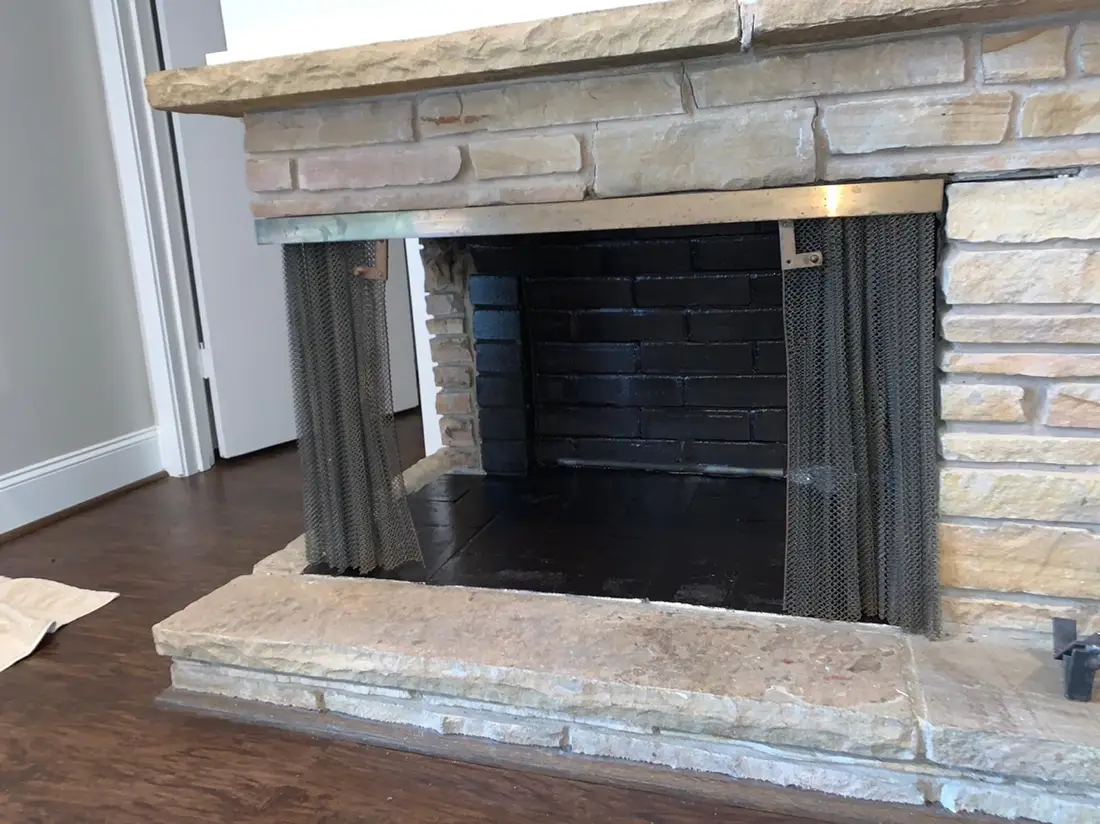
Draft Is a System, Not a Part
When smoke rolls out of a fireplace instead of rising, the instinct is to blame one thing — a blocked flue, a bad damper, a chimney that is too short. Sometimes one of those is exactly right. More often, draft problems are the visible symptom of a system out of balance. A chimney drafts because warm air rises and because the house lets it. Change the temperature difference, the airflow through the home, or the path up the flue, and the same fireplace that worked for years can start puffing smoke into the room.
That is actually good news. A system problem can be worked through methodically, cause by cause, and most causes have straightforward remedies. The key is resisting the urge to guess. A fireplace that smokes deserves the same evidence-first approach as any other chimney issue, starting with the simplest explanations.
The Usual Suspects, In Order
First, the basics. Is the damper fully open — and does fully open on the handle mean fully open at the plate? Dampers warp, rust, and slip. Second, is the flue clear? Heavy deposits, a fallen tile, or an animal nest can narrow the passage enough to choke the flow, which is one reason a thorough sweeping is often the first step in any draft investigation. Third, consider the fire itself: a small, smoldering fire in a large, cold flue may never establish a strong column of rising air, while a well-built fire with dry wood drafts from the start.
Then there is the house. Modern homes are tighter than the ones many fireplaces were built for, and exhaust fans — kitchen ranges, bathroom fans, dryers — actively pull air out. If the house cannot replace that air easily, the chimney becomes a convenient intake, and the draft weakens or reverses. Opening a window near the fireplace during a test fire is a classic diagnostic: if the smoking stops, the house was starving the fire of air.
Cold Flues and Downdrafts
A chimney on an exterior wall can hold a column of cold, dense air that resists the first smoke of a fire — especially on still, cold days. The smoke hits that cold plug and spills into the room until the flue warms through. Priming the flue by warming it before lighting the main fire is a time-honored fix, and it explains why some fireplaces smoke only at startup and behave once they are going.
Wind creates its own version of the problem. Certain wind directions, nearby rooflines, and tall trees can push air down a flue or create turbulence at the top that disrupts the draw. A chimney that smokes only on windy days, or only with wind from one direction, is telling you something specific. The termination — cap style, flue height relative to the roof — becomes part of the conversation, which connects to the guidance in chimney caps and crowns.
When It Points to Something Deeper
Persistent smoking that survives the simple checks deserves a closer look inside the system. An oversized flue serving a small fireplace opening can let smoke linger and cool before it rises. A damaged or missing smoke chamber component can disrupt the funnel that guides gases into the flue. In homes with more than one flue, an unused, open flue can interfere with the working one through shared pressure patterns.
These are the cases a camera inspection earns its keep. Seeing the flue's actual size, condition, and obstructions turns speculation into a plan. Our walkthrough of what happens inside a chimney inspection shows how those internal conditions are documented. The remedy might be a liner sized correctly to the opening, a smoke chamber repair, or a change at the top of the stack — but it starts with knowing, not guessing.
Living With a Fireplace That Breathes Right
A fireplace that drafts properly is a different appliance from one that smokes: cleaner glass, less odor in the room, fires that light easily and burn completely. Most draft problems, worked through in order, resolve into one or two fixable causes. Keep notes on when yours smokes — startup or steady burning, windy or calm, fans running or not. That pattern is the best clue you can hand to whoever inspects it, and it shortens the path from a smoky room to a fire that behaves the way it should.