
More Than a Sweep: The Room-Side Half of the System
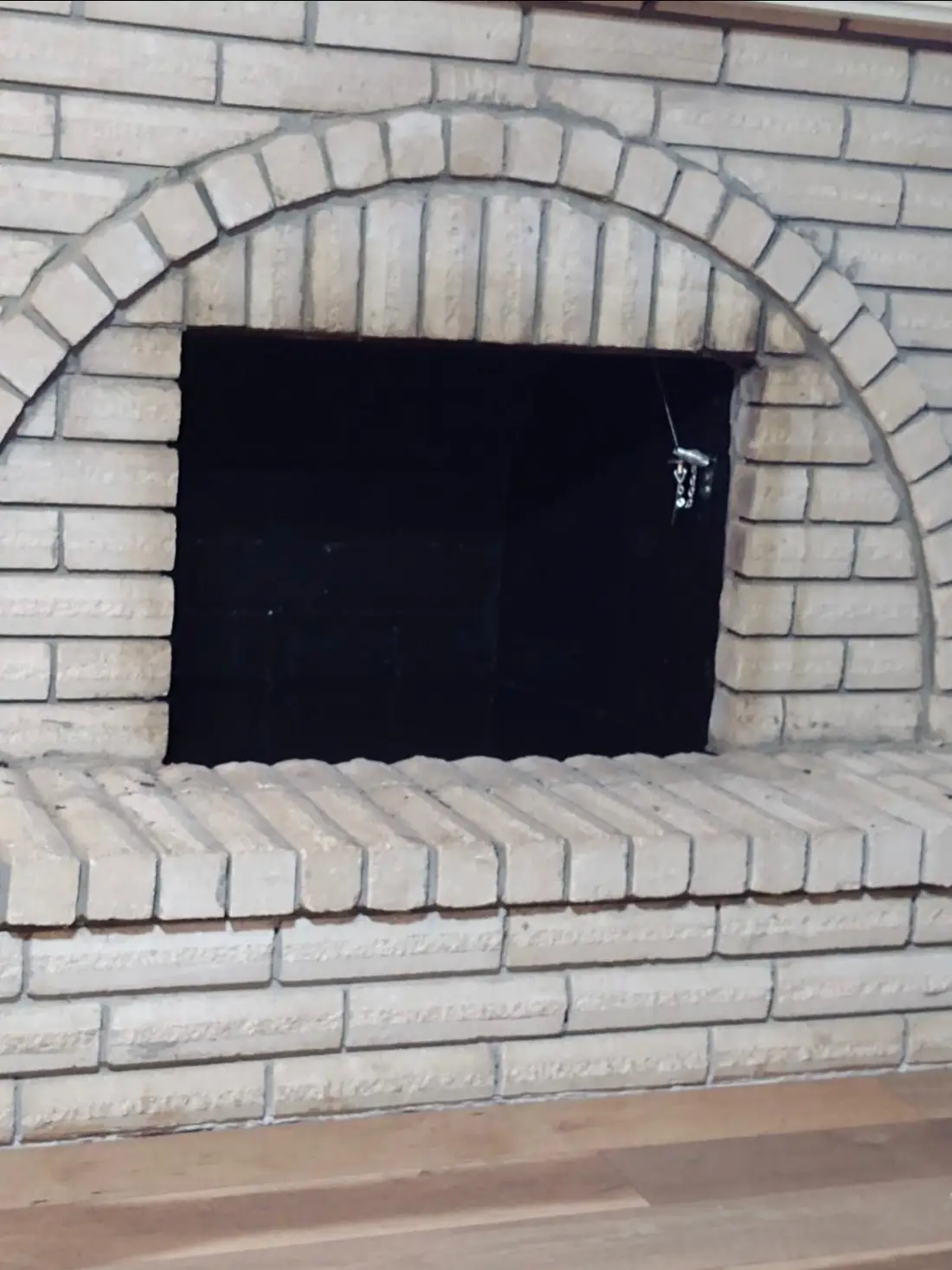
A chimney sweep focuses on the flue. Fireplace cleaning and service focuses on everything from the hearth up to where the flue begins: the firebox walls and floor, the damper and its frame, the smoke shelf hidden just above it, and the lower smoke chamber. These are the surfaces that collect ash, soot, and fallen creosote where you can actually see and smell them, and they are the parts whose condition shapes how the fireplace feels to use — whether the damper seals on a cold night, whether last winter's smell greets guests in July.
The visit pairs naturally with chimney sweeping, and most homeowners schedule them together once a year. But it also stands on its own: before a holiday season of fires, after a winter of heavy use, when moving into a home whose fireplace history is unknown, or when a gas unit is due for its annual service. Either way, the work is done with the same containment discipline as a sweep — sealed openings, protective coverings, and vacuum capture throughout.
What a Wood Fireplace Service Includes
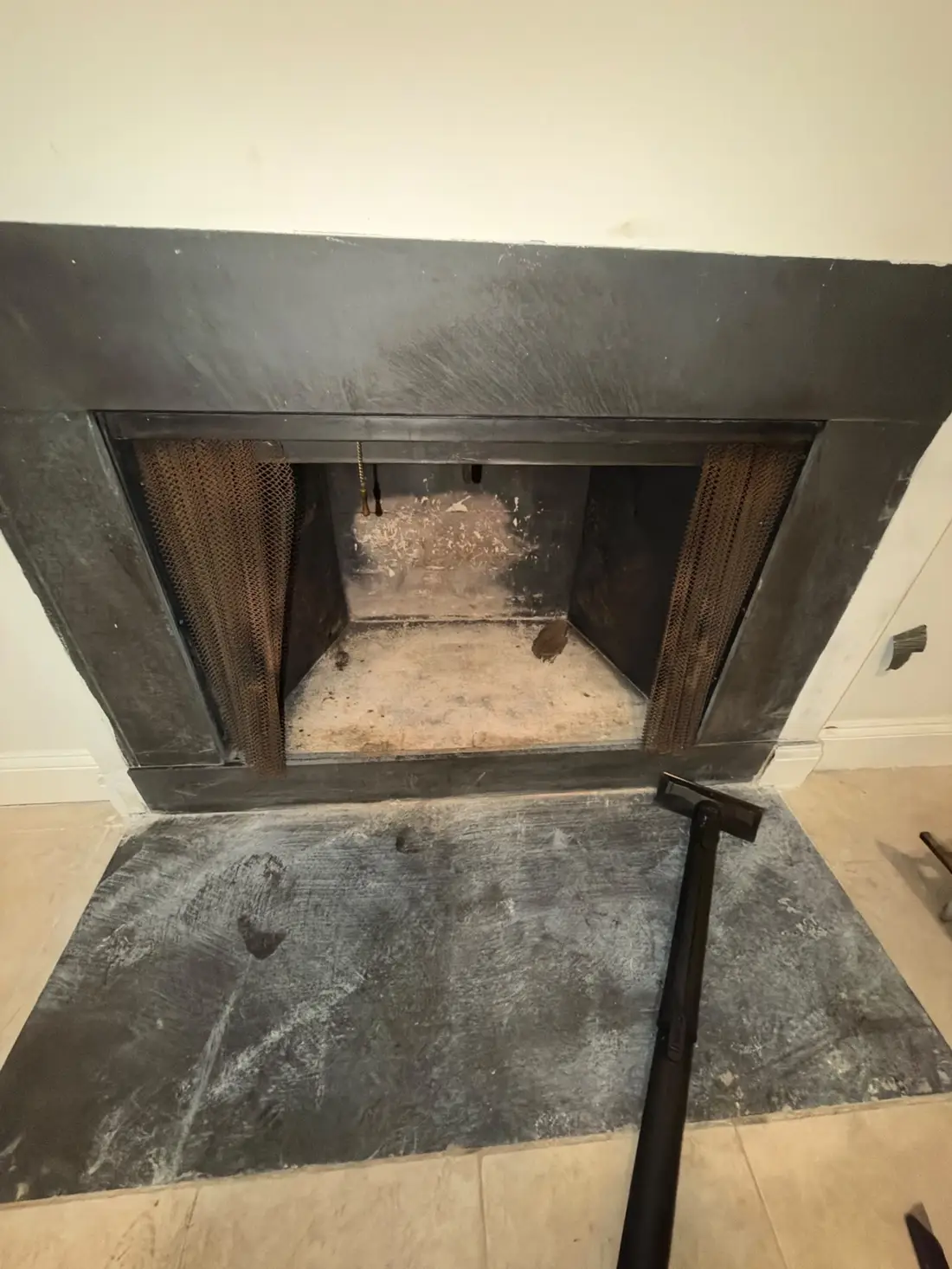
We start by removing ash and debris from the firebox — more than a cosmetic step, since deep ash holds moisture against the firebox floor and hides the condition of the brick beneath it. The walls are brushed down, loose and fallen material on the smoke shelf is vacuumed out, and the damper is cleaned, checked for rust and warping, and cycled to confirm it opens fully and closes with a real seal. A damper that hangs half-closed steals heat all winter; one that cannot open fully will push smoke into the room the first time you light a fire.
The smoke chamber gets attention proportionate to what we find. Fallen creosote flakes and soot are cleared, and if the chamber's stepped brickwork is collecting heavy deposits or the parging has failed, we will show you photographs and explain the repair separately — service visits never quietly turn into repair jobs. You will also hear an honest word about your grate, screen, and doors if any of them are near the end of their useful life, because small hardware failures are the ones homeowners actually trip over.
Gas Fireplaces: The Yearly Service They Actually Need
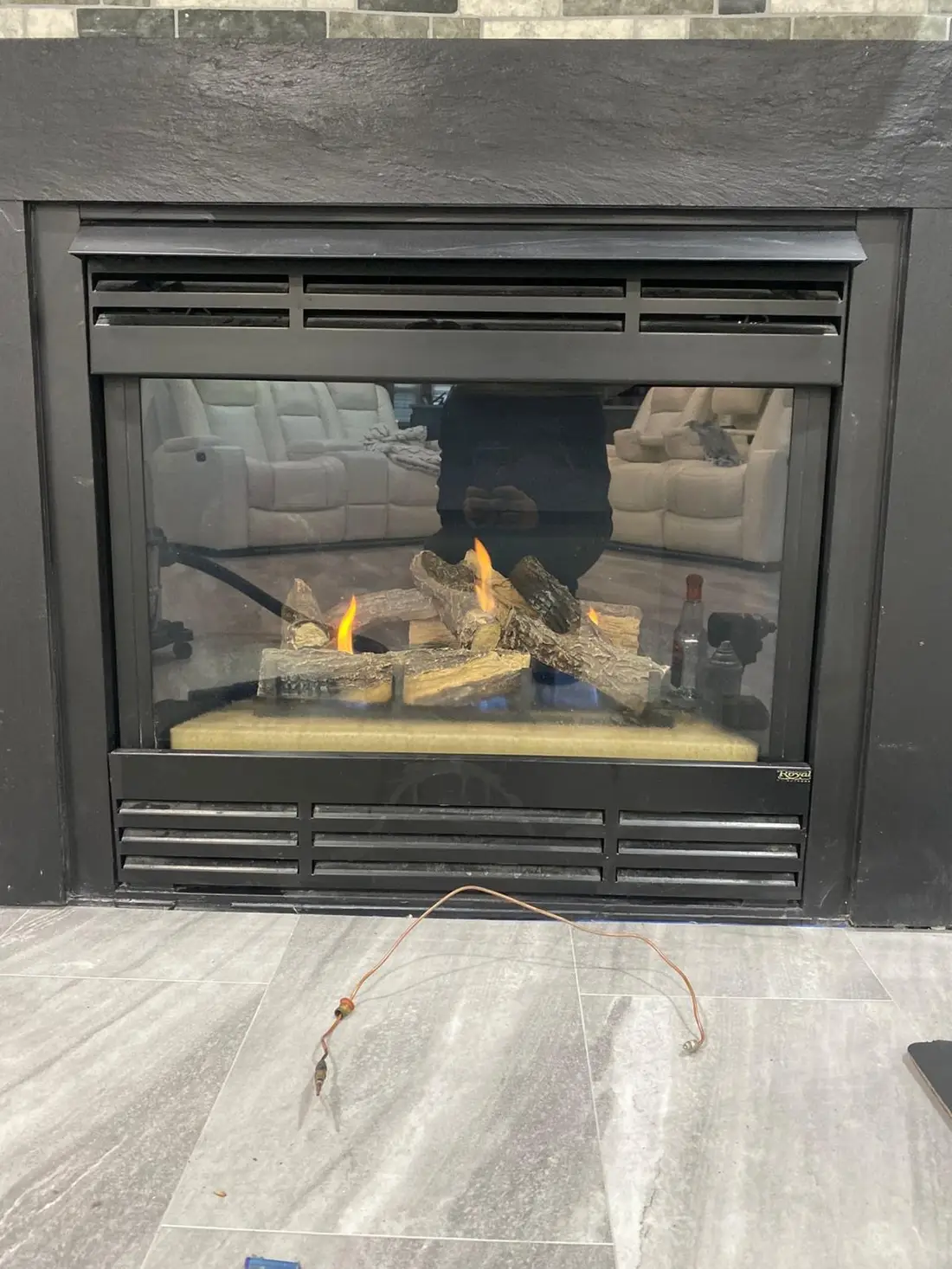
Gas fireplaces ask for less than wood, but not for nothing. Their burners collect dust and lint that distort the flame pattern, pilot assemblies foul, glass gaskets age, and the venting — whether a metal flue or a direct-vent pipe — still has to move exhaust out of the house reliably. Manufacturers call for annual service for good reason: it is the visit that catches a lazy pilot, a sooted burner, or a blocked vent before the first cold snap turns it into a no-heat evening.
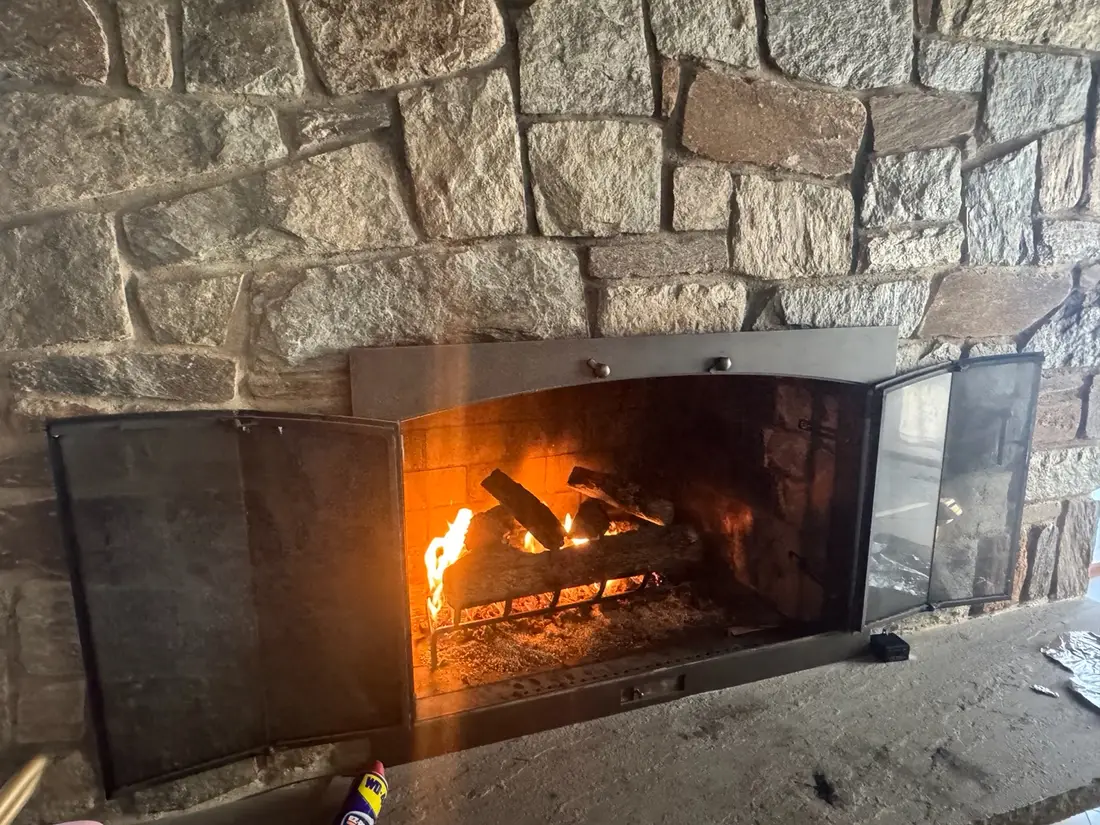
Our gas service covers cleaning the burner and pilot area, clearing the logs or media and resetting them to the maker's arrangement, cleaning the glass inside and out, checking the gasket seal, testing ignition and flame behavior, and confirming the vent path is clear. Our article on gas fireplace yearly service walks through the checklist in more detail. If a part has failed, we will identify it precisely and explain your options — including when the right answer is a part ordered from the manufacturer rather than a workaround.
The Summer Smell Problem
Every year, as humidity rises, fireplaces that behaved all winter start to perfume the house with a stale campfire odor. The cause is almost always the deposits themselves: soot and creosote in the firebox, smoke chamber, and lower flue absorb moisture from summer air and release their smell into the room, helped along by the downdraft that warm weather creates in many chimneys. Our piece on summer chimney smells explains the mechanics, but the fix begins with removing the material — a thorough cleaning of the fireplace and flue strips away most of what the humidity has to work on.
A tight damper or a set of well-fitted glass doors adds a second layer of defense by limiting the air exchange between flue and room. We will check your damper's seal during the visit and tell you honestly whether it is doing that job. What we will not sell you is a deodorizing spray as a substitute for cleaning; fragrance over soot lasts days, while removing the soot lasts the season.
Preparing for Selling, Moving In, or the Holidays
Certain moments call for a fireplace that is demonstrably ready. Sellers benefit from a clean, serviced fireplace with written findings to show buyers — an ash-filled firebox with a stiff damper invites questions a service report answers in advance. Buyers inheriting a fireplace should have it cleaned and looked over before the first fire, since they have no way of knowing what the previous owners burned or how the system was kept. Our guide for buying or selling a home covers the paperwork side of both situations.
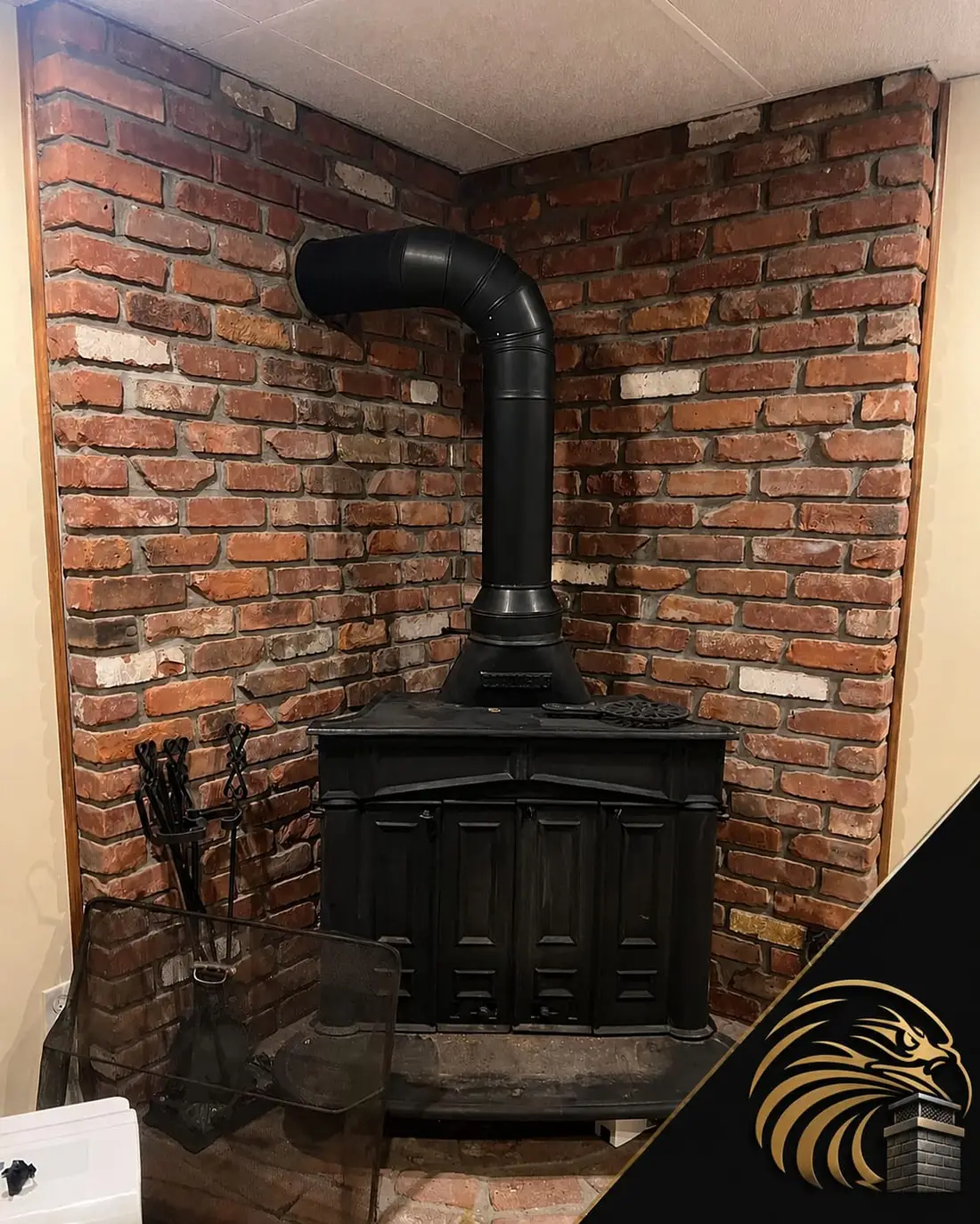
And then there is the simple seasonal rhythm: a service visit in the fall means the first fire of the year is a pleasure instead of an experiment. Wood stove owners follow the same logic — our notes on wood stove care before winter cover the stove-specific version of the checklist. Whatever the occasion, the deliverable is the same: a clean fireplace, a checked damper, and written findings with photographs of anything that needs a decision.
How We Leave the Room
Fireplace work happens in the middle of your living space, so our standard is simple: the room should look untouched, and the fireplace should look better than it has in years. Floors and hearth are covered before we start, ash leaves in sealed containers, and glass, doors, and screens we removed go back exactly as they were. Since 2012, Eagle Chimney ProTech crews — licensed, insured, and organized by state and city across the US — have worked Sunday through Friday with phones answered 24/7. Call us to book a cleaning and service visit, and sit down to your next fire knowing the whole system behind it has been properly looked after.