
What the Liner Does, and Why It Is Non-Negotiable
It surprises many homeowners to learn that a brick chimney is not itself the flue. Masonry is porous, its mortar joints are rough, and hot exhaust moving directly against brick would leak through joints, overheat the structure, and deposit creosote in every crevice. The liner solves all of that: a continuous, smooth, heat-resistant tube inside the masonry that contains the exhaust, keeps heat away from the house framing, and gives smoke a clean path that encourages strong draft.
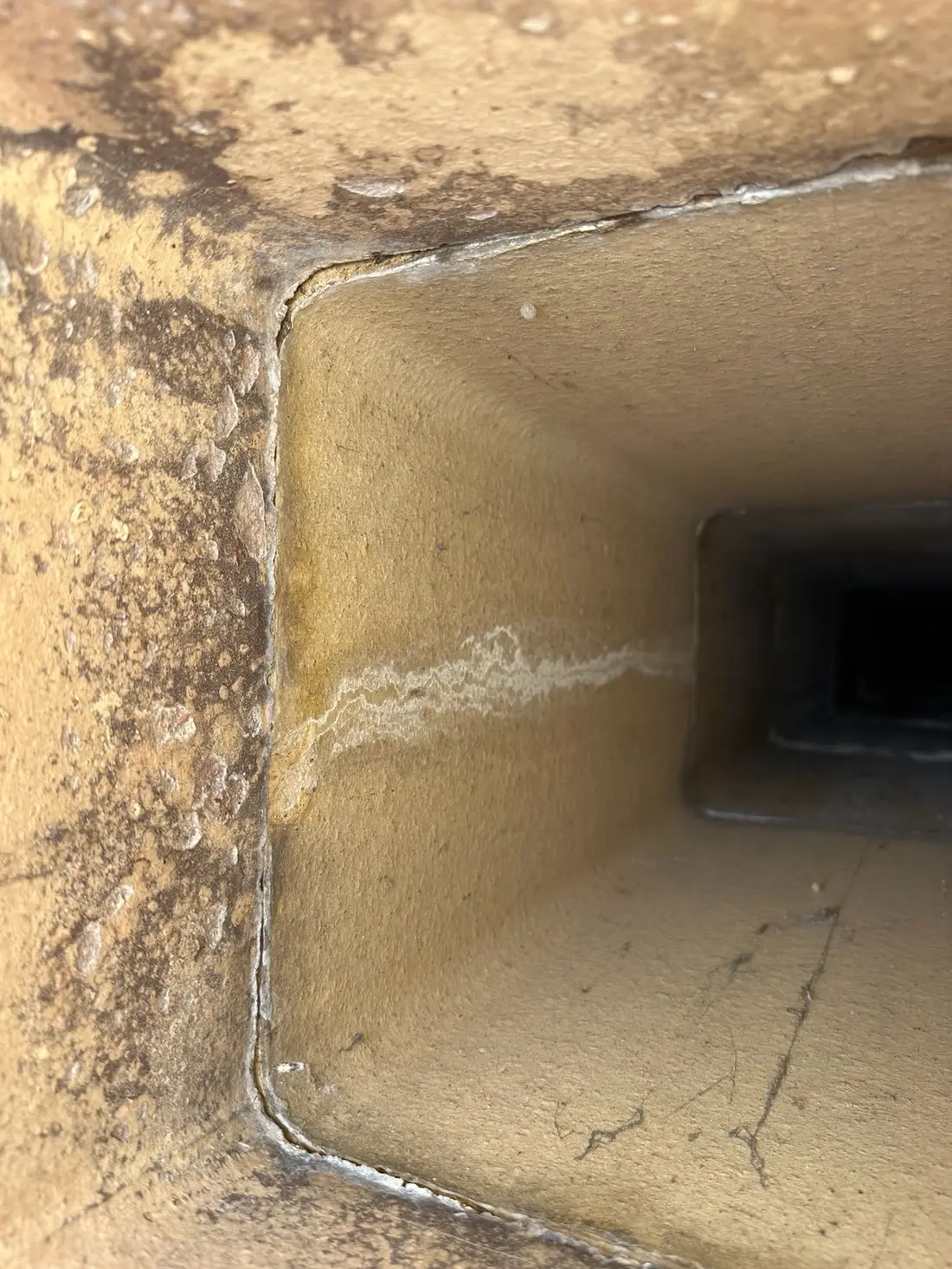
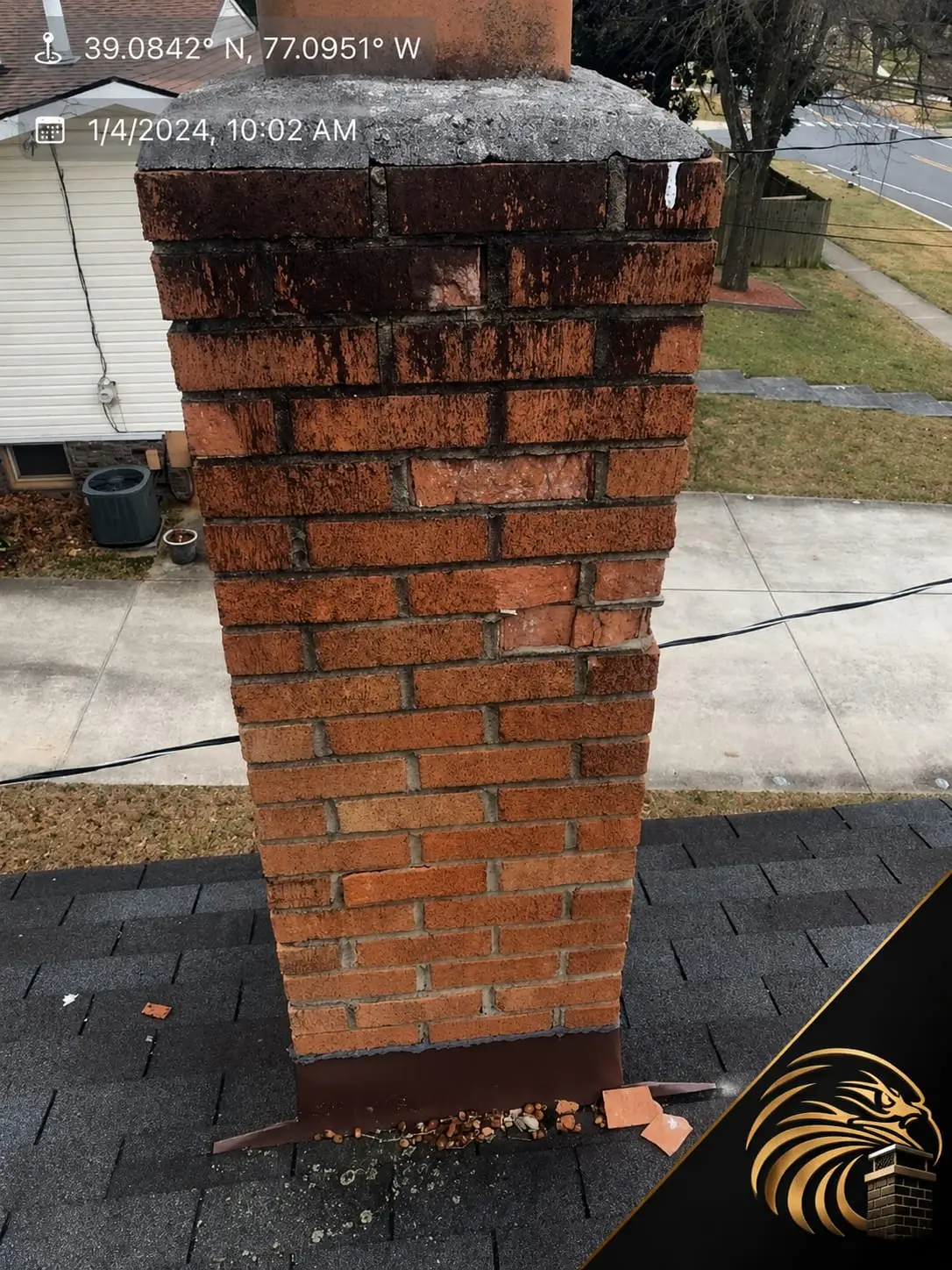
When a liner fails — cracked tiles, open joints, eroded sections — the protection goes with it. Exhaust gases can reach wood framing that sits closer to the flue than most people realize, heat transfers into the masonry, and rough, broken surfaces collect creosote far faster than a smooth wall does. That is why liner condition is the centerpiece of our camera inspections: it is the finding that most often decides whether a fireplace is ready to use or should wait for repair.
The Liners Already in Homes
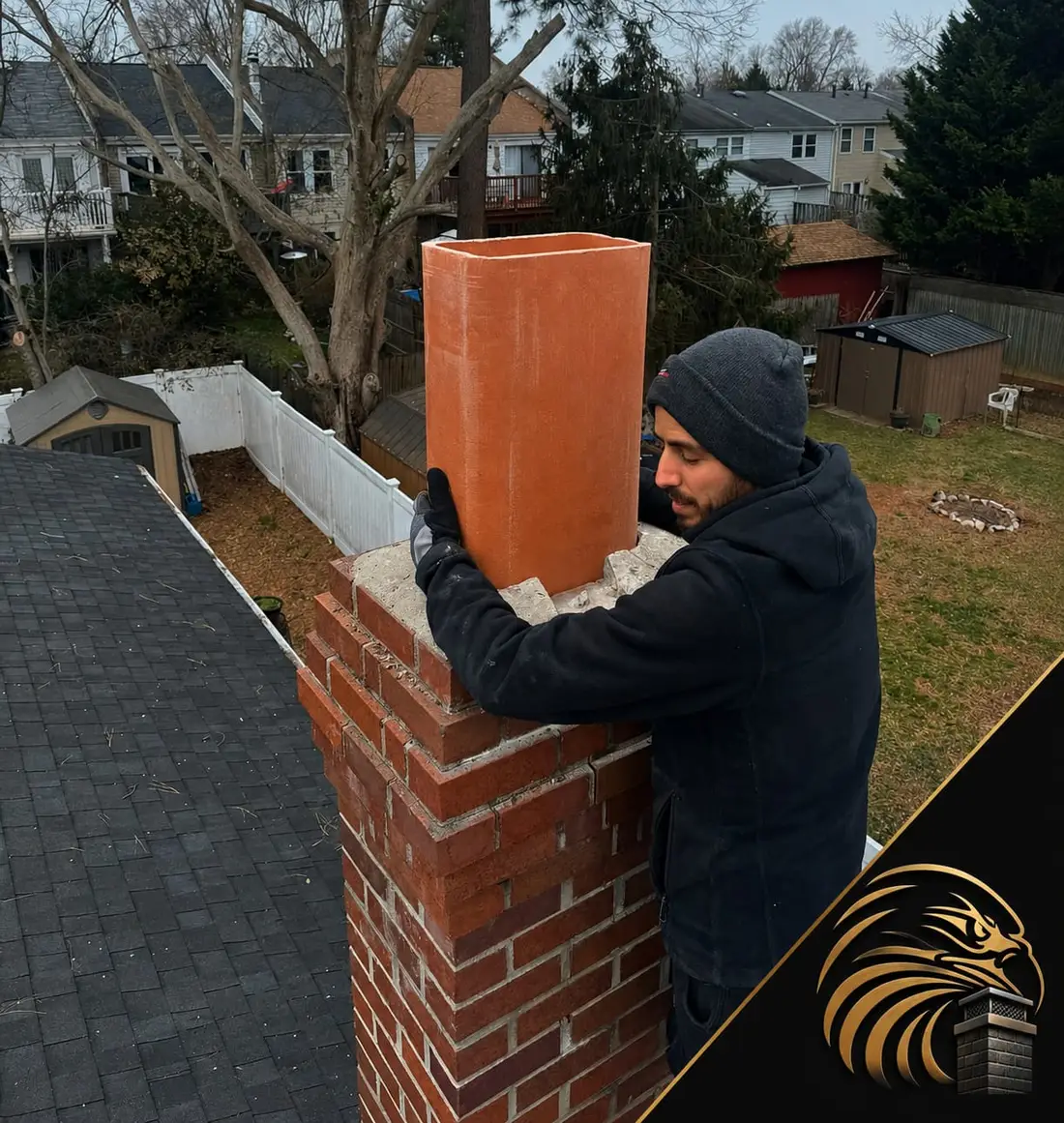
Most masonry chimneys built through the last century carry clay tile liners — square or round terracotta sections stacked with mortar joints. Clay tile is a respectable material with a long service life, but it has weaknesses: it cracks under the thermal shock of a chimney fire, its mortar joints erode, and sections can shift or spall after decades of heat cycles. Metal chimneys use factory-built steel flues, and some older homes — more than the owners expect — were built with no liner at all, just bare brick inside the stack.
None of this means an older liner is automatically finished. Plenty of clay liners photograph beautifully at forty years old. The decision to reline should rest on evidence: the pattern and location of cracks, the number of open joints, whether damage is progressing, and what appliance the flue serves. A hairline crack in one tile near the top is a monitoring conversation. Deterioration running the height of the flue, or damage where a new high-efficiency appliance will vent, is a relining conversation. We will always show you which one you are having, with your own flue's photographs on the screen.
Stainless Steel Relining
The most common modern answer is a stainless steel liner: a continuous metal flue, rigid or flexible depending on the chimney's shape, installed inside the existing stack and insulated where the installation calls for it. Stainless handles the heat of wood, the acidic condensate of gas and oil, and the thermal shocks that crack clay. It comes in grades matched to the fuel — what serves a wood stove differs from what serves a gas furnace — and it is sized to the appliance, which matters more than most homeowners realize.
Sizing is the quiet science of relining. A flue too large for its appliance lets exhaust cool and slow, depositing creosote and weakening draft; too small, and it chokes the appliance entirely. Part of every relining quote is the sizing calculation for your specific fireplace, stove, or heating unit, explained in plain terms. Our comparison of stainless versus clay flue liners goes deeper on how the materials stack up for different homes and fuels.
Cast-in-Place and Other Options
Stainless is not the only route. Cast-in-place systems form a new liner inside the chimney by pouring a refractory material around an inflatable form, producing a seamless, insulated flue that also reinforces the structure — an attractive option for chimneys with irregular shapes, bends that fight a metal liner, or historic masonry worth preserving from the inside. Where only a few clay tiles have failed and the rest of the liner is sound, targeted tile replacement can occasionally be the proportionate repair, though access usually decides whether that is practical.
There are also flues we advise not to reline yet. A liner serving an appliance that is about to be replaced should be sized for the new unit, not the old one, and a chimney with structural masonry problems needs those addressed in the right order — sometimes together with the liner, since the scaffold and access are shared. Sequencing is part of the craft, and part of what your written quote will lay out.
What Relining Day Looks Like
Most residential relines are completed in a day or two. The old liner, if it must come out, is broken and removed in sections; where the existing liner can safely stay as a sleeve, the new liner passes through it. The new flue is set, insulated, connected at the bottom with a proper thimble or appliance connector, and finished at the top with a plate and a fitted cap. Before we leave, the system is checked end to end and the installation is photographed — top, bottom, and the connection points.
Homeowners are often surprised by how little disruption is involved. The work happens inside the chimney, not inside the house, beyond the fireplace or appliance connection itself, which we protect with the same containment discipline as a sweep. When the crew leaves, the fireplace looks as it did — the transformation is entirely inside the flue, where the camera can verify it.
Quoted in Writing, Backed by Photographs
Relining is one of the larger investments a chimney ever asks for, which is exactly why our process is built around evidence. The recommendation starts with camera photographs of your actual liner. The quote is written, itemized, and explained — material, size, insulation, connections, and top finish — before any work begins. And if the photographs show a liner with years of life left, that is what we will tell you, and the report documenting it is yours to keep.
Eagle Chimney ProTech has stood behind that approach since 2012: licensed and insured, crews organized by state and city across the US, open Sunday through Friday with phones answered 24/7. If you have been told your liner needs work — or you simply want to know its condition — call us. We will put a camera in the flue, show you what it sees, and let the evidence make the case.