A chimney is mostly hidden. From the room you see a firebox and a damper; from the yard you see brick and a cap. Everything that decides whether the system is working well, the flue walls, the joints between liner sections, the smoke chamber, lives in the dark in between. That is why the camera has become the heart of a modern chimney inspection. It travels the full length of the flue and shows, in plain view, what no flashlight from below or glance from above ever could.
It Starts Outside and at the Roofline
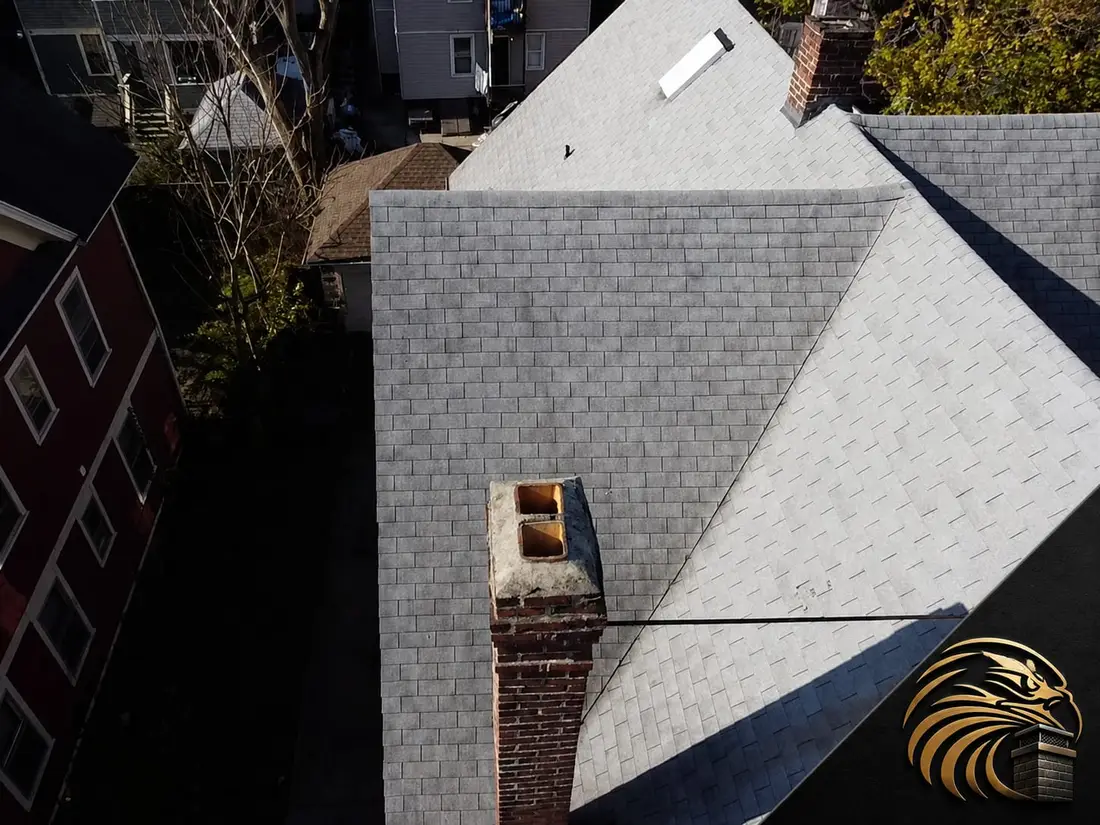
Before the camera goes in, the exterior gets its own careful look. The technician checks the cap or the open flue top, the crown that sheds water off the top of the stack, the flashing where chimney meets roof, and the condition of the brick and mortar. Stains running down the masonry, spalling brick faces, and cracked crown edges are early chapters of stories that often continue inside, because water that gets in at the top travels down and works on the system from within.
The firebox and damper are examined too: firebrick condition, mortar joints, damper operation, and any soot patterns that hint at how smoke has been moving. Only with that full picture does the camera run begin, so that what it finds inside can be matched against what the outside is showing.
What the Camera Is Looking For
Inside the flue, the camera is hunting for a specific list of problems. It looks for cracks and gaps in clay liner tiles and the joints between them, because an opening in the liner wall lets heat and gases reach places they should never touch. It looks for creosote, noting not just how much is present but which form it has taken, as described in our guide to creosote stages and what they mean. It looks for blockages: fallen tile pieces, nest material, leaves, and debris that narrow the passage.
The camera also checks liner alignment and condition in metal systems, watching for warping, corrosion, separated joints, and offsets where sections meet. In the smoke chamber above the firebox, it looks at the walls and the shelf where soot collects. Every one of these findings changes what safe, sensible next steps look like, which is why guessing from the hearth is never a substitute.
When a Camera Inspection Matters Most
Certain moments call for this level of detail. Buying or selling a home is the classic case, covered in our buying or selling guide, because the chimney's condition is otherwise invisible in a transaction. After a chimney fire, even a small or suspected one, the liner must be examined before the fireplace is used again. A change of appliance, such as converting to an insert or switching fuel types, also deserves a camera run, since the flue that served the old setup may not suit the new one.
Recurring symptoms are another trigger: smoke entering the room, persistent odors, slow or strange draft behavior, and stains appearing on walls near the chimney. Each symptom has several possible causes, and the camera is how the real one gets identified instead of treated by trial and error.
How Findings Become a Report You Can Use
An inspection is only as good as its explanation. At Eagle Chimney ProTech, inspections are documented with camera images and written findings, so the report you receive shows the actual flue, the actual crack or deposit, alongside plain-language notes about what it means. Findings are separated into what needs attention now, what should be watched, and what is simply information about an older system's character.
If work is recommended, repairs are quoted in writing, with no pressure attached. Sometimes the right answer is a sweeping and nothing more. Sometimes it is masonry or liner work. Either way, the decision rests on evidence you have seen with your own eyes, which has been our approach since 2012.
What You Can Do Between Inspections
Homeowners are not helpless observers of their own chimneys. Watch how your fires behave and note changes. Keep an eye on the exterior after storms for fallen mortar or a displaced cap. Burn dry wood, keep the firebox reasonably clean, and schedule sweeping on a rhythm that matches your use. Small observations, mentioned at the next visit, help the technician connect the camera's findings to the life the chimney has actually been living.